
Stop Managing Chaos: Design Your Calm Productive Life Today
Discover the simple system to reclaim your time and peace.
PRODUCTIVITY
4/7/20265 min read
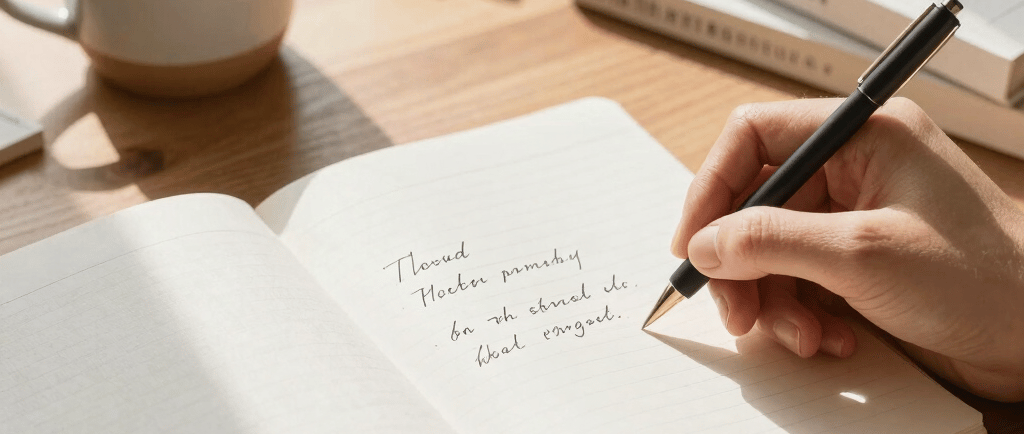

The Art of Living Organized: A Review of the Simple System for a Calm, Productive Life
We have all been there. The alarm goes off, and before your feet even hit the floor, your mind is racing through a mental checklist of fires to put out, emails to answer, and tasks that were supposed to be finished yesterday. We tell ourselves that if we just work harder, move faster, or sleep less, we will finally catch up. But the truth is, a calm and productive life is rarely the result of doing more. It is the result of living with order.
After spending time with the principles of The Art of Living Organized, I have realized that my previous approach to productivity was entirely backward. I was trying to manage chaos instead of designing a life that prevents it. This isn’t just another book about color-coding your closet or buying more planners; it is a practical philosophy for living well that respects your limits while strengthening your discipline.
If you have ever felt like disorder is quietly stealing your time, focus, and confidence, this review is for you. Let’s dive into why structure is actually the ultimate form of freedom.
Designing vs. Coping
The core shift starts with a simple realization: there is a quiet difference between coping and designing. Coping says, let me survive today, while designing says, let me decide how today should look. When we live in constant reaction, our energy leaks into stress and confusion. Chaos thrives where clarity is missing.
I’ve found that when I don’t have a plan, the world plans for me. Other people’s priorities and interruptions take the driver’s seat. Designing your life doesn’t require complexity; it begins by asking, what kind of day am I trying to create? This single question moves you from a posture of reaction to one of direction.
Clarity Before Control
We often try to organize our lives before we even know what truly deserves our attention. Control without clarity creates tension. You might feel busy or disciplined, yet something still feels off. This usually happens because you are doing too much of the wrong things.
Clarity isn't about knowing every detail of your future. It is about knowing enough to move in the right direction. It involves asking uncomfortable questions:
What do I want this season of my life to be about?
What am I protecting my time for?
What am I willing to say no to?
When you define what matters, you give yourself permission to simplify. Overwhelm is rarely about too much work; it’s about unclear priorities.
Systems Over Motivation
If there is one thing this book hammered home, it is that motivation is unreliable. It comes and goes like the weather. If your progress depends on feeling like doing something, your consistency will always be fragile.
The solution is systems. A system is simply a way of doing things that removes the need to decide again and again. It makes action automatic. Good systems don’t restrict you; they create freedom by reducing mental clutter. I’ve started implementing small structures—a dedicated place for important items, a consistent time for specific tasks—and it has been life-changing. You don’t need to be inspired to follow a process. The system carries you when your energy dips.
The Mind-Space Connection
We often try to organize our physical space while our minds remain a cluttered storage unit. But a cluttered mind creates a cluttered life. Our brains were designed to think, decide, and create, not to store every single reminder or worry.
The most powerful habit I’ve adopted from this system is capturing thoughts immediately. Writing things down tells your brain that nothing important will be lost, which opens up mental space. Furthermore, I’ve realized that decision avoidance is a major source of background stress. Organizing your mind means making simple decisions quickly and moving on.
Environment as a Silent Partner
Your environment is always influencing you, whether you notice it or not. Willpower fades, but your environment stays. If your surroundings are chaotic, your mind has to work harder to stay focused.
By designing my workspace to invite focus rather than distraction, I’ve reduced the effort required to get things done. This isn't about aesthetics; it’s about intelligent design. It’s about making good choices obvious and bad choices inconvenient. When your environment supports you, discipline feels lighter.
Respecting the Energy Rhythm
One of the most common mistakes in time management is treating all hours as equal. They aren't. Your ability to think and create rises and falls throughout the day.
Instead of squeezing more tasks into fewer hours, I’ve started matching tasks to my energy. High-energy periods are for deep work and problem-solving. Low-energy periods are for routine tasks or rest. I’ve stopped viewing rest as a reward and started seeing it as a requirement. Creating small buffers between activities has also been a game-changer, preventing my mind from feeling fragmented.
The Power of Small, Reliable Habits
Daily order is built through small, repeated actions. What you do once is optional; what you do every day becomes your identity.
The key is to make these habits realistic. A habit that is easy to maintain is far more valuable than one that is intense but rarely happens. These daily anchors—like a simple morning routine or an evening reset—provide grounding when life becomes unpredictable. They turn effort into habit, and eventually, habit into identity.
Deciding Faster
Many of us carry the heavy weight of unfinished decisions. Indecision often disguises itself as careful thinking, but in reality, it just creates mental clutter.
I’ve learned to categorize decisions: high-impact choices deserve depth, but low-impact choices simply require closure. Most everyday decisions don’t require perfection; they require movement. Choosing imperfectly and adjusting later is almost always better than staying stuck.
Protecting Your Focus
Focus is not something you find; it is something you protect. In a world full of demands, your attention is your most valuable resource. Removing unnecessary commitments isn't selfish—it’s intentional.
Every yes is a no to something else. By saying no to the noise, I’ve made room for deep work. This requires the courage to set boundaries and to treat your focus as sacred. When you remove what doesn’t matter, you finally have the space for what truly does.
Emotional and Financial Order
The principles of organization extend into our finances and relationships. Financial order isn’t about obsession; it’s about clarity. When you stop avoiding the numbers, uncertainty shrinks and you regain control.
Similarly, relationships become draining when boundaries are unclear. Boundaries are not walls; they are guidelines that protect your energy and respect. They allow you to show up fully without exhaustion.
Returning After Disruption
Perhaps the most important lesson is that disruption is not failure. No plan survives unchanged forever. The goal is not to maintain order flawlessly, but to return to it calmly.
When I fall off track now, I don't respond with self-criticism. I start small. I clear one surface, re-establish one habit, and lower my expectations until stability returns. Self-compassion is a practical tool that helps you regain control faster than guilt ever could.
A Lifestyle, Not a Project
Organization is not a one-time fix. It is a lifestyle. It is a daily practice of choosing clarity over chaos. When organization becomes part of your identity, it stops feeling like work and becomes the steady rhythm that holds your life together.
By reducing what we carry—physically, mentally, and emotionally—we allow life to feel lighter. We stop managing clutter and start experiencing flow.
If you are ready to stop chasing balance and start living it, I highly encourage you to explore these principles. Start where you are. Adjust one habit. Simplify one system. You don’t need to change everything at once; order grows through small actions taken consistently.
An organized life is not a restrictive one. It is a free one.